Primary Advantages of a Full Service Oil Change at Your Neighborhood Service Center
A comprehensive oil change at a local service center offers considerable improvements for vehicle maintenance. It confirms that worn-out oil is exchanged for high-quality lubricants, enhancing powertrain function. Service professionals conduct important evaluations, detecting potential issues early. This proactive strategy can produce enhanced fuel economy and decreased service fees. Understanding these merits is crucial for every car owner. What other factors should a vehicle owner evaluate when preserving their vehicle's health?
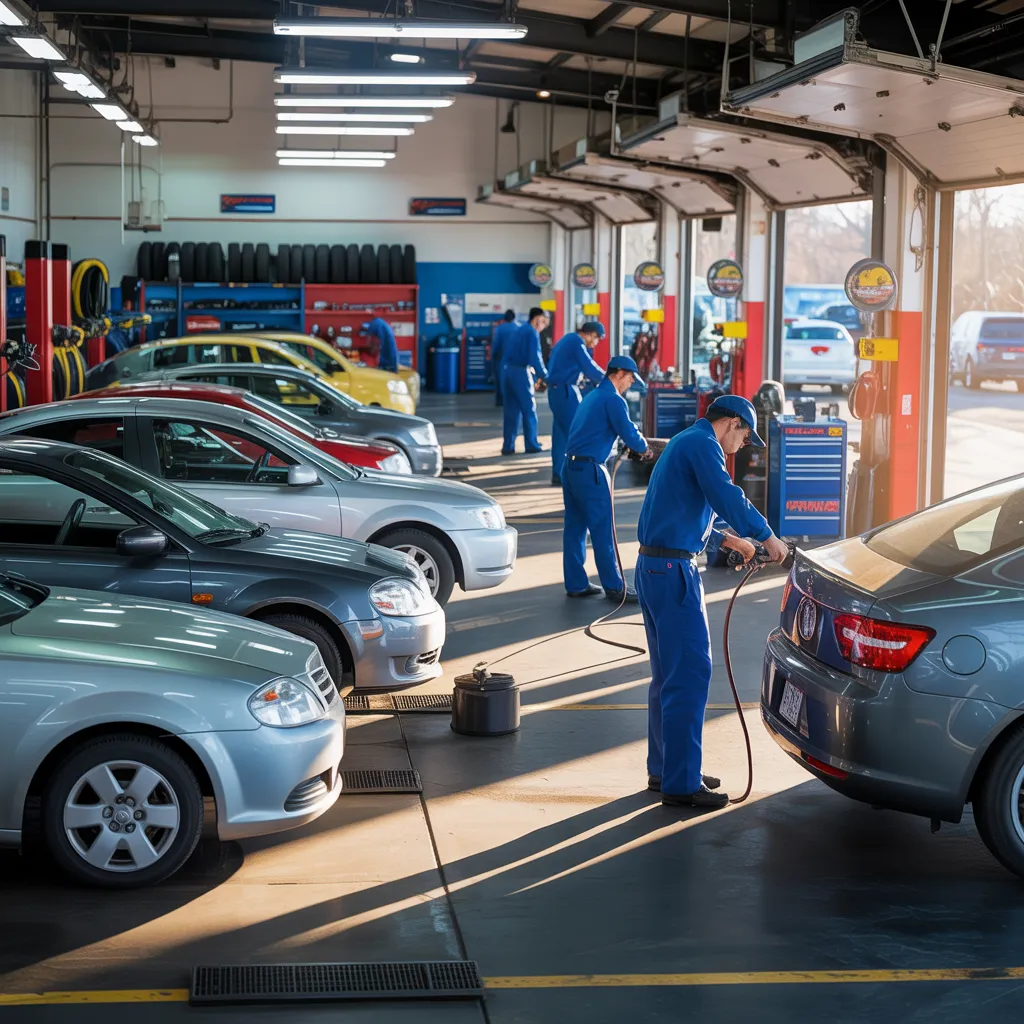
How Often Should You Change Your Oil?
How often should car owners be changing their oil? This question often arises among car enthusiasts and everyday drivers alike. Generally, manufacturers recommend changing engine oil every 5,000 to 7,500 miles, however some contemporary vehicles may push this interval to 10,000 miles or further depending on specific conditions. Factors influencing oil change frequency include driving habits, climate, and the type of oil used. For instance, those who frequently engage in stop-and-go traffic or drive in extreme temperatures may require more frequent changes. Furthermore, synthetic oil varieties generally offer superior protection and have the ability to prolong the time between oil changes. Regularly checking the oil level and its overall quality is critical; oil that appears dark and contains grit is a clear sign that a change is overdue. Ultimately, adhering to a regular oil change schedule is essential for maintaining engine health, optimizing performance, and prolonging vehicle lifespan, making it a key aspect of responsible car ownership.
What Can You Expect from a Full Service Oil Change?
A comprehensive full service oil change usually covers multiple critical aspects designed to guarantee maximum engine efficiency. To begin, the service involves extracting the aged engine oil, which is afterward exchanged with superior, factory-specified oil. The oil filter is likewise swapped out to ensure that contaminants do not circulate within the engine.
In addition to these primary tasks, technicians frequently perform a comprehensive multi-point check, assessing belts, hoses, and fluid levels for deterioration and damage. They will also examine the cabin filter and air filter, changing them out as required.
Some auto shops offer supplementary services, such as wheel rotation, brake examination, and even a wash or clean of the vehicle's interior, enhancing the overall upkeep of the vehicle. This extensive approach not only supports engine health but also supports the longevity of additional vital systems within the vehicle.
How a Full Service Oil Change Improves Fuel Efficiency
A full service oil change considerably enhances fuel efficiency by maintaining optimal oil viscosity, which promotes smoother engine operation. Furthermore, regular maintenance helps preserve engine cleanliness, reducing the buildup of detrimental deposits. Additionally, lower friction levels between moving parts contribute to better overall performance and fuel economy.
Ideal Oil Viscosity
Proper oil viscosity plays a crucial role in maximizing fuel efficiency. When a vehicle's engine functions with the right oil viscosity, it provides maximum lubrication and minimizes friction among moving parts. This efficiency reduces the energy necessary to overcome resistance, permitting the engine to function smoothly and effectively. A full service oil change not only exchanges old oil with the right viscosity grade but also helps identify any potential issues affecting performance. By keeping the recommended oil viscosity, drivers can benefit from enhanced fuel economy, as the engine is not required to work as hard. Therefore, a regular full service oil change can play a major role in long-term savings at the pump, benefiting both the wallet and the environment.
Engine Cleanliness Care
Regular oil changes greatly enhance engine cleanliness, which is vital for maintaining peak fuel efficiency. Over time, engine oil collects contaminants, including dirt, debris, and combustion byproducts. These impurities can produce sludge that obstructs oil flow and impairs the engine's performance. By selecting a full service oil change, vehicle owners confirm that old, contaminated oil is substituted with fresh, high-quality oil, promoting a cleaner engine environment. A clean engine operates more effectively, allowing fuel to burn more completely. This improved combustion process not only amplifies energy output but also contributes to better mileage. Therefore, regular maintenance fosters engine longevity, minimizes the likelihood of costly repairs, and delivers a smoother driving experience overall.
Lowered Friction Levels
A key advantage of a complete oil change service is the decrease in friction within the engine. New, premium-grade oil properly lubricates engine components, reducing wear and tear. This lubrication allows parts to move smoothly against one another, lowering resistance and boosting performance. When friction is reduced, the engine operates more efficiently, which directly affects fuel efficiency. Research suggests that engines with optimal lubrication can reach greater fuel efficiency, leading to reduced costs for drivers. Consistent oil changes sustain these low friction levels, guaranteeing the engine performs at maximum efficiency. Therefore, committing to a full service oil change not only lengthens engine life but also supports better fuel efficiency, making it an excellent decision for car owners.
Why Expert Oil Changes Are Important
Professional oil change services play a vital role in maintaining a vehicle's performance and longevity. When carried out by skilled technicians, these services ensure that the right type and volume of oil is utilized, adapted to the individual specifications of each vehicle. This exactness helps maximize engine operation and improves fuel efficiency.
Moreover, professional oil changes frequently come with supplementary checks, such as checking filters and fluid levels, which can uncover potential concerns before they escalate. This forward-thinking method minimizes the risk of major repairs later on. Furthermore, a maintenance record from a trusted service center can be beneficial for future resale value, as it reflects a dedication to regular vehicle care.
How Consistent Oil Changes Can Lengthen Your Vehicle's Lifespan
Consistent oil changes serve a critical function in boosting engine performance and achieving maximum fuel efficiency. Through reducing the strain and deterioration on engine components, these regular maintenance procedures greatly enhance the durability of a vehicle. This proactive maintenance not only protects the engine but also improves overall driving experience.
Improved Engine Performance
Achieving peak engine performance depends on how often oil changes are performed, which are critical for prolonging a vehicle's lifespan. Regular oil changes guarantee that the engine functions at its best by preventing the buildup of harmful contaminants and sludge. New oil effectively lubricates engine components, reducing friction and wear. Proper lubrication is vital for maintaining peak engine function, facilitating more efficient operation in a variety of driving situations. Furthermore, regular oil changes assist in keeping engine temperatures balanced, preventing overheating and potential damage. Through committing to routine oil changes, drivers can boost overall engine performance, resulting in a more dependable and enjoyable driving experience. Ultimately, this routine not only increases the longevity of the vehicle but also improves overall satisfaction on the road.
Optimized Fuel Consumption
Regular oil changes do more than improve engine performance as they also significantly affect fuel efficiency. Consistent oil changes make certain that the engine is properly lubricated with fresh, high-quality oil, decreasing friction across moving parts. Such superior lubrication permits the engine to function more seamlessly, needing less energy to keep up its performance levels. As a result, vehicles experience improved fuel economy, allowing drivers to travel further on each gallon of fuel. Furthermore, new oil assists in regulating the engine's temperature, avoiding similar resource overheating and ensuring effective combustion. By prioritizing oil changes, vehicle owners can avoid unnecessary strain on the engine and promote more economical driving. Ultimately, this practice contributes to a longer vehicle lifespan and reduced fuel costs over time.
Minimized Wear And Tear
Consistent oil changes greatly reduce stress on a vehicle's engine. New oil preserves maximum lubrication, protecting engine components from heat buildup and friction. Over time, used oil can get contaminated with dirt and debris, leading to increased friction and risk of damage. Routine oil changes ensure that the engine runs efficiently, lowering the likelihood of costly repairs down the line. Additionally, a thoroughly lubricated engine undergoes less strain, which can extend its lifespan markedly. Scheduled maintenance, including oil changes, also permits technicians to discover potential issues early, additionally safeguarding the vehicle. Ultimately, scheduling regular oil changes is a practical method to preserving a vehicle's health, strengthening its reliability and durability for years to come.
How Regular Oil Changes Can Save You Money
Consistent oil changes can considerably decrease long-term vehicle maintenance costs. By ensuring that the engine runs smoothly with clean oil, vehicle owners can avoid serious problems including sludge buildup and overheating. These complications can cause major repair bills or total engine replacement, which far exceed the modest expense of routine oil changes.
Furthermore, maintaining ideal engine performance through regular oil changes can boost fuel economy. A thoroughly lubricated engine functions more efficiently, translating to savings at the fuel pump over time. Moreover, many manufacturers require evidence of routine oil changes to sustain warranty coverage, safeguarding owners from unforeseen repair costs.
Choosing a comprehensive oil change service not only extends the life of your vehicle but also minimizes the likelihood of unexpected breakdowns. As a result, consistent oil change services function as a preventive solution, ultimately saving money and ensuring a reliable driving experience.
Identifying When It Is Time for Your Next Full Service Oil Change
When should vehicle owners consider scheduling their next full service oil change? As a general rule, service intervals fall between 3,000 and 7,500 miles, depending on the vehicle's make and model, as well as the type of oil used. Regularly checking the vehicle's oil level and quality is vital; if the oil appears dark or gritty, it may indicate the need for a change sooner. Additionally, owners should take note of the vehicle's performance. Unusual noises, decreased fuel efficiency, or warning lights on the dashboard might suggest that an oil change is due. Seasonal changes can also impact the timing; for instance, harsh winters can necessitate more frequent changes. Ultimately, referring to the owner's manual offers vehicle-specific recommendations that help maintain optimal performance and extend the vehicle's lifespan. Routine oil change appointments are a forward-thinking approach to keeping the engine in good shape and steering clear of high-cost repairs later on.
Answers to Your Most Common Questions
Can I Get Other Services During a Full Service Oil Change?
Yes, many auto shops include additional services during a full oil change appointment. These may include tire rotation services, fluid system checks, and air filter servicing, giving you a great chance for complete automotive maintenance in one visit.
What Kind of Oil Is Used in a Full Service Oil Change?
Generally, a full service oil change utilizes either conventional, blended synthetic, or premium synthetic oil. The decision is based on the automobile's needs and the owner's preferences, guaranteeing maximum performance and engine protection while driving.
How Much Time Does a Full Service Oil Change Require?
A complete oil change typically takes between 30 minutes to an hour, depending on the shop's speed and supplementary services included. Factors like vehicle type and oil choice can further affect the total time.
Is an Appointment Required for a Full Service Oil Change?
Booking an appointment for a full service oil change is usually suggested, so the service center can efficiently accommodate your vehicle. Nevertheless, numerous locations also welcome walk-in customers, offering convenience for those who require immediate assistance.
Do Full Service Oil Changes Cost More Than Standard Oil Changes?
Full service oil changes typically cost more than conventional oil changes due to the additional services included, like filter replacements and fluid inspections. This higher price reflects the comprehensive attention given to your vehicle's upkeep.